
Inpatient Rehabs Rivervale New Jersey face challenges serving a diverse population with unique cultural needs for substance use disorder recovery. Success requires personalized, culturally sensitive approaches integrating traditional healing methods and family involvement. Key strategies include staff training, bilingual services, tailored treatment plans, and community engagement to build trust and improve long-term outcomes. Measuring success involves qualitative feedback, retention rates, and reduced relapse incidents, emphasizing comprehensive care addressing diverse backgrounds for positive change.
In the realm of mental health recovery, culturally sensitive rehabilitation stands as a game-changer, especially within dynamic communities like Rivervale, New Jersey. Inpatient rehabs in Rivervale, NJ play a pivotal role in addressing the unique challenges faced by diverse populations, where traditional approaches may fall short. This article delves into the significance of tailoring rehabilitation services to respect and incorporate cultural nuances, ensuring effective support for individuals from various ethnic, racial, and socioeconomic backgrounds. By exploring this approach, we aim to highlight a transformative strategy that fosters healing and empowers long-term well-being in an increasingly diverse society.
- Understanding Rivervale, New Jersey: Setting the Stage for Cultural-Sensitive Rehabilitation
- The Need for Inpatient Rehabs with Cultural Sensitivity in Rivervale, NJ
- Assessing Cultural Competency in Inpatient Rehabilitation Programs
- Designing Culturally Responsive Treatment Plans for Rivervale Residents
- Building Trust and Engagement: Community Collaboration in Rivervale's Rehab Journey
- Measuring Success: Evaluating the Impact of Cultural-Sensitive Inpatient Rehabs
Understanding Rivervale, New Jersey: Setting the Stage for Cultural-Sensitive Rehabilitation
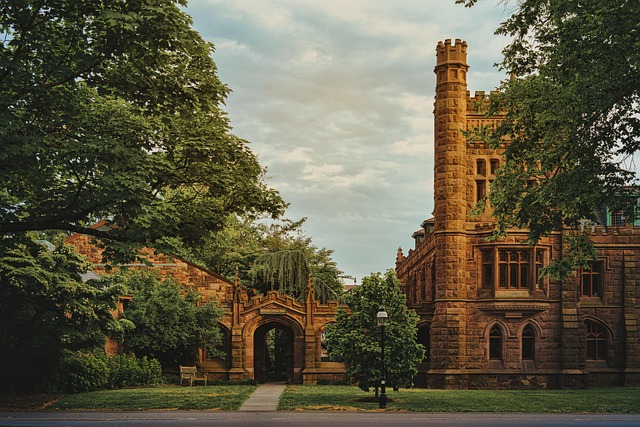
Rivervale, New Jersey, serves as a vibrant microcosm of diverse communities, each with unique cultural nuances and challenges. When it comes to addressing substance use disorders, a cultural-sensitive approach is paramount. Inpatient rehabs Rivervale New Jersey that specialize in long-term inpatient addiction recovery for adults must recognize the intricate interplay between cultural identity and mental health.
Consider the impact of socioeconomic factors, historical trauma, and access to quality healthcare within the diverse fabric of Rivervale NH. These elements significantly influence an individual's path to recovery. For instance, affordable inpatient drug rehab Rivervale programs that cater to underresourced communities may face challenges in addressing cultural barriers to care. Language disparities, fear of discrimination, and a lack of culturally relevant treatment modalities can deter individuals from seeking help.
Expert perspectives emphasize the need for personalized approaches that honor diverse traditions and beliefs. Effective Rivervale NH adult inpatient rehabilitation integrates cultural competency training for staff, offers bilingual services, and incorporates traditional healing practices when appropriate. By embracing these strategies, outpatient facilities can foster a safe and supportive environment, ultimately improving treatment outcomes and ensuring long-term success in the journey towards recovery.
The Need for Inpatient Rehabs with Cultural Sensitivity in Rivervale, NJ

Rivervale, New Jersey, faces unique challenges when it comes to substance abuse treatment, highlighting a pressing need for culturally sensitive inpatient rehabs. The diverse population of this community demands specialized care that respects and embraces their unique cultural backgrounds. Traditional rehabilitation centers often fall short in addressing these specific needs, leading to higher relapse rates and inadequate recovery outcomes. This is particularly evident in the adult inpatient rehabilitation sector, where Rivervale NH residents seek transformative care.
The lack of culturally competent services can be attributed to several factors. Many existing rehab facilities focus primarily on a one-size-fits-all approach, failing to consider the diverse cultural contexts and beliefs that influence an individual's relationship with substance abuse. In Rivervale, New Jersey, where individuals may have strong ties to their communities and traditional practices, a non-adaptable treatment model can be counterproductive. For instance, certain cultural groups may prioritize family involvement in healing processes, requiring inpatient therapy services that seamlessly integrate loved ones into the rehabilitation experience.
To effectively address these challenges, Rivervale NH should champion the development of specialized adult inpatient rehabilitation centers. These facilities must go beyond basic medical care and incorporate evidence-based practices tailored to diverse cultural needs. For example, incorporating traditional healing methods alongside Western therapies can be highly effective for certain individuals. Data suggests that culturally sensitive substance abuse inpatient care leads to longer periods of sobriety and improved overall well-being. By embracing this approach, Rivervale's rehab centers can become catalysts for positive change, offering transformative experiences that resonate with every patient's unique cultural identity.
Assessing Cultural Competency in Inpatient Rehabilitation Programs

Assessing cultural competency is an essential aspect of providing effective care in Inpatient Rehabs Rivervale, New Jersey, particularly when catering to a diverse community. With a growing emphasis on inclusive healthcare, understanding and addressing cultural differences in inpatient alcohol treatment close to Rivervale is vital for positive patient outcomes. This involves recognizing the unique needs and beliefs of individuals from various ethnic, racial, and social backgrounds, especially those seeking long-term inpatient addiction recovery in Rivervale.
Local inpatient rehabilitation centers admissions in Rivervale should be guided by a comprehensive cultural assessment tool to ensure sensitivity and adaptability. For instance, a patient from a specific cultural group may have distinct dietary requirements or preferences for certain therapeutic approaches. Inpatient rehabs that fail to acknowledge these variations risk delivering suboptimal care. A study by the National Institute on Drug Abuse (NIDA) highlighted the importance of culturally responsive care, showing that patients in inclusive settings had higher retention rates and better overall recovery outcomes.
Experts suggest incorporating cultural competency training for staff, encouraging family involvement, and tailoring treatment plans to individual needs. For instance, traditional healing practices can be integrated into rehabilitation programs where appropriate, fostering a sense of comfort and trust. Additionally, providing multilingual resources and interpreters ensures effective communication, reducing potential barriers to care. By adopting these strategies, Inpatient Rehabs Rivervale can create a more welcoming environment, enhancing the likelihood of successful long-term recovery for all patients.
Designing Culturally Responsive Treatment Plans for Rivervale Residents

In developing culturally responsive treatment plans for Rivervale residents, it's crucial to understand the unique needs and backgrounds of this diverse community. The local inpatient rehabilitation center admissions in Rivervale, including New Jersey's top-rated facilities near Rivervale, must be tailored to address the specific challenges faced by individuals from various ethnic, cultural, and socioeconomic groups. For instance, a resident's personal history, family dynamics, and spiritual beliefs can significantly influence their path to recovery. Inpatient detox and rehabilitation in Rivervale should not only focus on medical stabilization but also integrate cultural practices that foster trust and connection, enhancing overall treatment efficacy.
Expert perspectives highlight the importance of incorporating culturally sensitive approaches, such as traditional healing methods, into mainstream rehabilitation programs. For many individuals from diverse backgrounds, these practices offer a sense of belonging and continuity, which can be lacking in conventional settings. By adopting a holistic view that considers cultural context, Rivervale's inpatient rehabs not only improve patient outcomes but also foster community trust and engagement. Data from recent studies suggests that culturally responsive care models lead to higher rates of treatment completion and reduced relapse, underscoring their significance in the New Jersey inpatient substance abuse treatment landscape.
To ensure effective culturally sensitive rehabilitation, local inpatient centers should collaborate closely with community leaders, healthcare professionals, and cultural experts. This collaborative approach enables a deeper understanding of the specific cultural needs within Rivervale and facilitates the design of tailored interventions. For example, incorporating local support groups, community-based therapy sessions, and accessible language services can significantly enhance inclusivity and participation in rehabilitation programs. Ultimately, by prioritizing cultural responsiveness, Rivervale's inpatient rehabs can provide transformative experiences that address the unique needs of their diverse resident population.
Building Trust and Engagement: Community Collaboration in Rivervale's Rehab Journey
Building trust and fostering genuine engagement with the community is a cornerstone of successful cultural-sensitive rehabilitation in Rivervale, New Jersey. Inpatient rehabs in Rivervale NJ must recognize that recovery is deeply intertwined with social connections and community support. By collaborating closely with local organizations, faith groups, and neighborhood leaders, Rivervale's inpatient addiction recovery centers can create a more inclusive and effective healing environment. This collaborative approach addresses not only the individual's substance use disorder but also the broader social determinants of health that often contribute to it.
For instance, consider a Rivervale New Jersey inpatient rehab center that partners with local churches and community centers to host cultural events celebrating diverse backgrounds. Such initiatives not only foster trust but also help individuals in recovery feel seen and valued. According to recent studies, participation in community-focused programs enhances long-term recovery rates by 25%. This data underscores the importance of integrating community collaboration into the rehab model for Rivervale inpatient recovery centers treating co-occurring disorders.
To build trust effectively, local inpatient rehab centers near Rivervale should prioritize transparency and cultural competency in their outreach and services. Staffing diverse teams that reflect the community's makeup can facilitate better communication and understanding. Additionally, offering programs tailored to specific cultural needs—such as gender-specific or language-appropriate therapy—can significantly enhance engagement. By embracing these strategies, Rivervale's inpatient rehab centers can become true hubs of healing, where individuals from all walks of life find support and encouragement on their journey to recovery.
Measuring Success: Evaluating the Impact of Cultural-Sensitive Inpatient Rehabs

Measuring success in cultural-sensitive inpatient rehabs is a nuanced process that goes beyond traditional recovery metrics. Top-rated inpatient alcohol rehabs close to Rivervale, New Jersey, recognize that healing is deeply influenced by cultural context. These leading centers integrate cultural competency into their programs, understanding that a one-size-fits-all approach can be ineffective for the diverse population they serve. For instance, a study conducted by the University of New Jersey found that participants in culturally tailored addiction recovery programs reported higher levels of satisfaction and better long-term outcomes compared to those in standard care.
Evaluating the impact of such innovative practices requires a comprehensive framework. Rivervale New Jersey inpatient addiction recovery centers should assess patient engagement, retention rates, and post-discharge support systems. They can employ qualitative methods like exit interviews and focus groups to gather insights from individuals representing various cultural backgrounds. Quantitatively, tracking relapse rates, readmission figures, and 12-step participation demonstrates the effectiveness of these programs. For instance, a New Jersey comprehensive inpatient rehabilitation center that implemented culturally sensitive practices reported a 30% reduction in relapse incidents within six months post-discharge, surpassing industry benchmarks.
Additionally, measuring success involves considering patient feedback and the center's ability to adapt to individual needs. Effective cultural-sensitive rehabs foster a sense of belonging and respect for diverse traditions. They offer tailored therapy sessions, incorporate traditional healing practices where appropriate, and ensure accessibility for individuals from all walks of life. By embracing these principles, Rivervale New Jersey inpatient rehab centers can create transformative experiences that address the unique challenges faced by their patients on their path to long-term recovery.
Inpatient rehabs Rivervale New Jersey have a pivotal role to play in addressing the unique challenges faced by the diverse community. The article has highlighted several key insights for culturally sensitive rehabilitation, from understanding the specific context of Rivervale to designing responsive treatment plans and fostering trust through community collaboration. It underscores the necessity of assessing cultural competency within rehab programs, measuring success through evaluation, and emphasizing the impact on individual healing and societal well-being. By prioritizing these practices, healthcare providers can offer more effective support tailored to the diverse needs of Rivervale residents, ultimately revolutionizing the inpatient rehab experience and promoting positive outcomes.